
In the quest for a longer, healthier life, various fitness metrics have been studied and debated. Among these, VO2 max stands out as a particularly influential factor. VO2 max, or maximal oxygen uptake, is a measure of the maximum amount of oxygen your body can utilize during intense exercise. This metric not only serves as a benchmark for cardiovascular fitness but also plays a crucial role in overall health and longevity.
What is VO2 Max?

VO2 max refers to the maximum volume of oxygen (in milliliters) that an individual can use in one minute per kilogram of body weight. This measurement is widely regarded as the gold standard for assessing aerobic fitness. It reflects the efficiency of your cardiovascular system, including the heart, lungs, and blood vessels, in delivering oxygen to your muscles during sustained physical activity.
How is VO2 Max Measured?
VO2 max is typically measured in a laboratory setting using a graded exercise test (GXT) on a treadmill or cycle ergometer. During the test, the intensity of exercise gradually increases while respiratory gases are measured to determine oxygen consumption. While this method is highly accurate, it can also be demanding and expensive. Fortunately, there are submaximal tests and predictive equations that can provide reasonable estimates of VO2 max.
The Connection Between VO2 Max and Longevity
Research has consistently shown a strong correlation between VO2 max and various markers of health and longevity. Here are some key findings:
Cardiovascular Health
Higher VO2 max levels are associated with a reduced risk of cardiovascular diseases, which are among the leading causes of death globally. An efficient cardiovascular system ensures that oxygen-rich blood reaches all parts of the body, reducing the strain on the heart and lowering the risk of conditions like hypertension, heart attacks, and strokes.
Metabolic Health
VO2 max is also linked to better metabolic health. Individuals with higher VO2 max levels tend to have a lower risk of metabolic syndrome, type 2 diabetes, and obesity. Improved aerobic capacity enhances the body’s ability to regulate blood sugar levels and maintain a healthy weight.
Cellular Aging
Emerging research suggests that VO2 max may influence cellular aging. Higher aerobic capacity is associated with longer telomeres, the protective caps on the ends of chromosomes that shorten with age. Longer telomeres are indicative of slower biological aging and a lower risk of age-related diseases.
Mental Health
The benefits of VO2 max extend to mental health as well. Regular aerobic exercise, which boosts VO2 max, has been shown to improve mood, reduce symptoms of depression and anxiety, and enhance cognitive function. Improved blood flow to the brain and the release of endorphins during exercise contribute to these positive effects.
VO2 Max Across Different Age Groups
Children and Adolescents
For children and adolescents, developing a high VO2 max can set the stage for a lifetime of health. Engaging in regular physical activity helps build cardiovascular fitness, supports healthy growth and development, and instills habits that can last into adulthood.
Adults
In adults, maintaining or improving VO2 max can counteract the natural decline in aerobic capacity that occurs with aging. Regular exercise helps preserve muscle mass, supports metabolic health, and reduces the risk of chronic diseases. It’s never too late to start; even middle-aged and older adults can see significant improvements in VO2 max with consistent training.
Older Adults
For older adults, VO2 max is a critical determinant of functional capacity and independence. Higher VO2 max levels are associated with better physical function, reduced frailty, and a lower risk of falls. Exercise interventions aimed at improving VO2 max can enhance quality of life and extend years of healthy living.
How to Improve VO2 Max
Improving VO2 max requires consistent and progressive aerobic training. Here are some effective strategies:
High-Intensity Interval Training (HIIT)
HIIT involves short bursts of intense exercise followed by periods of rest or low-intensity exercise. This type of training is highly effective at boosting VO2 max in a relatively short period. Examples include sprint intervals, cycling sprints, and high-intensity circuit workouts.
Continuous Aerobic Exercise

Engaging in continuous, moderate-intensity aerobic exercise, such as running, cycling, swimming, or brisk walking, can also improve VO2 max. The key is to progressively increase the duration and intensity of your workouts.
Cross-Training

Incorporating a variety of aerobic activities can prevent boredom and reduce the risk of overuse injuries. Cross-training with activities like swimming, rowing, and hiking can provide a comprehensive aerobic workout.
Strength Training
While primarily an anaerobic activity, strength training can support aerobic fitness by improving muscle strength and endurance. Stronger muscles can perform more efficiently during aerobic exercise, contributing to higher VO2 max.
Consistency and Progression
Improving VO2 max requires consistency and gradual progression. Aim for at least 150 minutes of moderate-intensity or 75 minutes of high-intensity aerobic exercise per week, as recommended by health authorities. Gradually increase the intensity and duration of your workouts to continue making progress.
Monitoring and Tracking VO2 Max
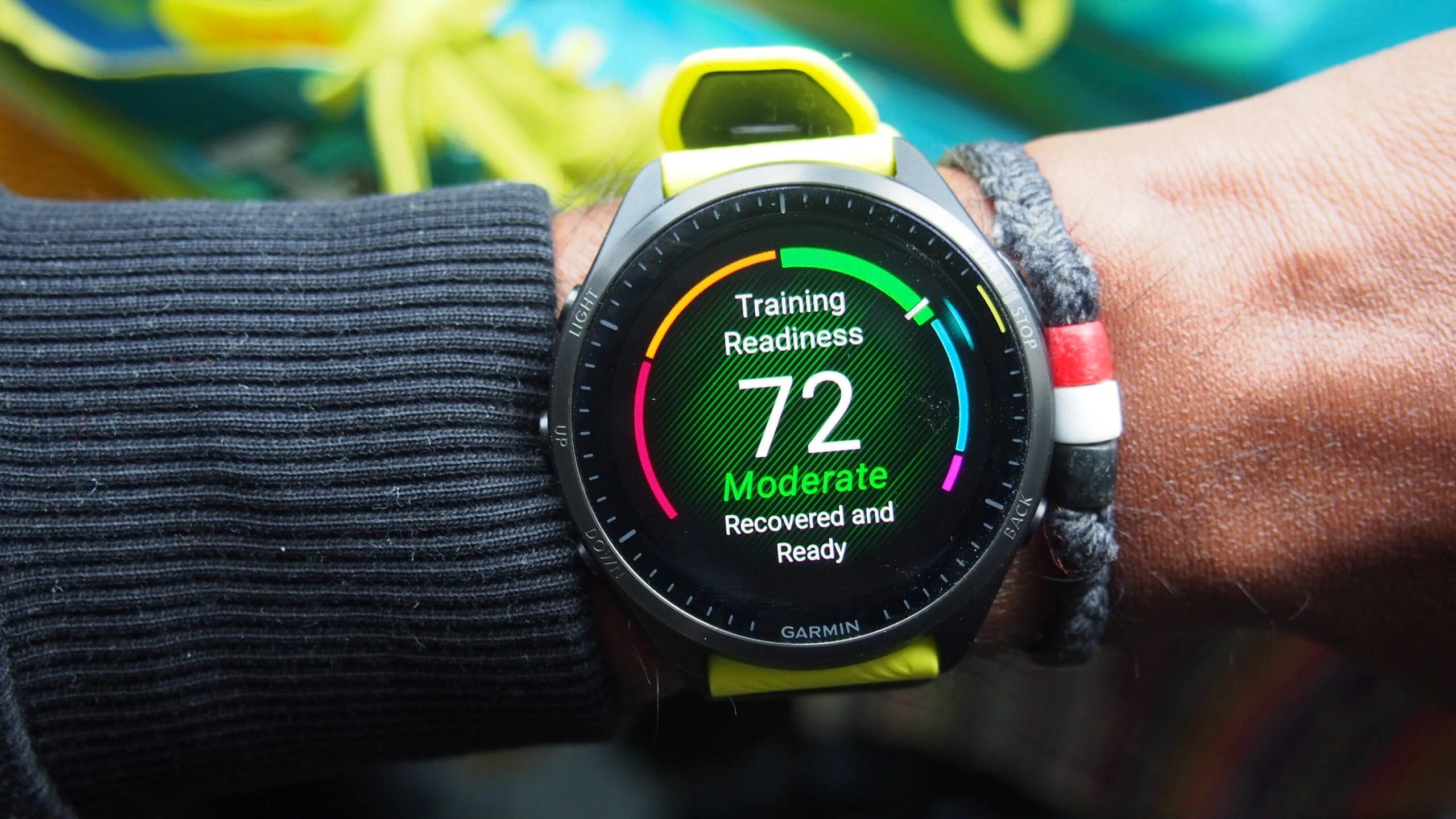
Wearable Technology Many modern fitness trackers and smartwatches can estimate VO2 max based on heart rate and activity data. While not as accurate as laboratory tests, these estimates can provide useful insights into your fitness progress.
Fitness Assessments
Regular fitness assessments, either through self-tests or with a fitness professional, can help track improvements in VO2 max. Common tests include the Cooper 12-minute run test, the Rockport walk test, and the Astrand-Rhyming cycle test.
Setting Goals
Setting specific, measurable goals for improving VO2 max can keep you motivated and focused. Whether it’s completing a 5K run, achieving a certain time on a cycling route, or simply increasing your weekly activity, having clear objectives can guide your training efforts.
Nutrition and Recovery

Balanced Diet
A balanced diet rich in whole foods supports overall health and enhances the benefits of aerobic exercise. Key nutrients include carbohydrates for energy, proteins for muscle repair, healthy fats for cell function, and vitamins and minerals for overall well-being.
Hydration
Staying well-hydrated is crucial for maintaining optimal performance during exercise. Dehydration can impair cardiovascular function and reduce aerobic capacity. Aim to drink water regularly throughout the day, and increase your intake during and after exercise.
Rest and Recovery
Adequate rest and recovery are essential for improving VO2 max. Overtraining can lead to fatigue, injury, and decreased performance. Incorporate rest days into your training schedule, and prioritize sleep to allow your body to repair and adapt.
Conclusion: The Lifelong Benefits of VO2 Max

VO2 max is a powerful indicator of cardiovascular fitness and a key determinant of overall health and longevity. Regardless of age, improving your VO2 max through regular aerobic exercise can lead to numerous benefits, from reduced risk of chronic diseases to enhanced mental well-being and improved quality of life.
By incorporating a variety of aerobic activities, setting achievable goals, and maintaining a balanced diet and proper recovery practices, you can boost your VO2 max and enjoy a longer, healthier life. Start today, and experience the transformative power of improved aerobic fitness on your journey to optimal health and longevity.
VO2 max is not just a number; it’s a vital sign of your cardiovascular health and a key to unlocking your full potential for a longer, healthier life.
Leave a Reply